When IKEA Museum was built , we promised Ingvar Kamprad that it would be a museum about IKEA, not about him. But because his creativity and playfulness inspire all of IKEA today, we want to share the story of how he, together with his co-workers, taught us all to think freely, and think big.
This is a story about curiosity, humour and togetherness. The story of a wise, funny, demanding leader who was obsessed with the idea that quality doesn't have to be expensive.
Permanent exhibition
How did a farm boy and “a bit of a failure” (his own words) from Småland become one of the world’s most successful entrepreneurs? Well, it certainly wasn’t down to traditional leadership. Rather, he had a sense of resourcefulness and creativity that would prove to be something quite special. But where did the playfulness come from?
The playful entrepreneur
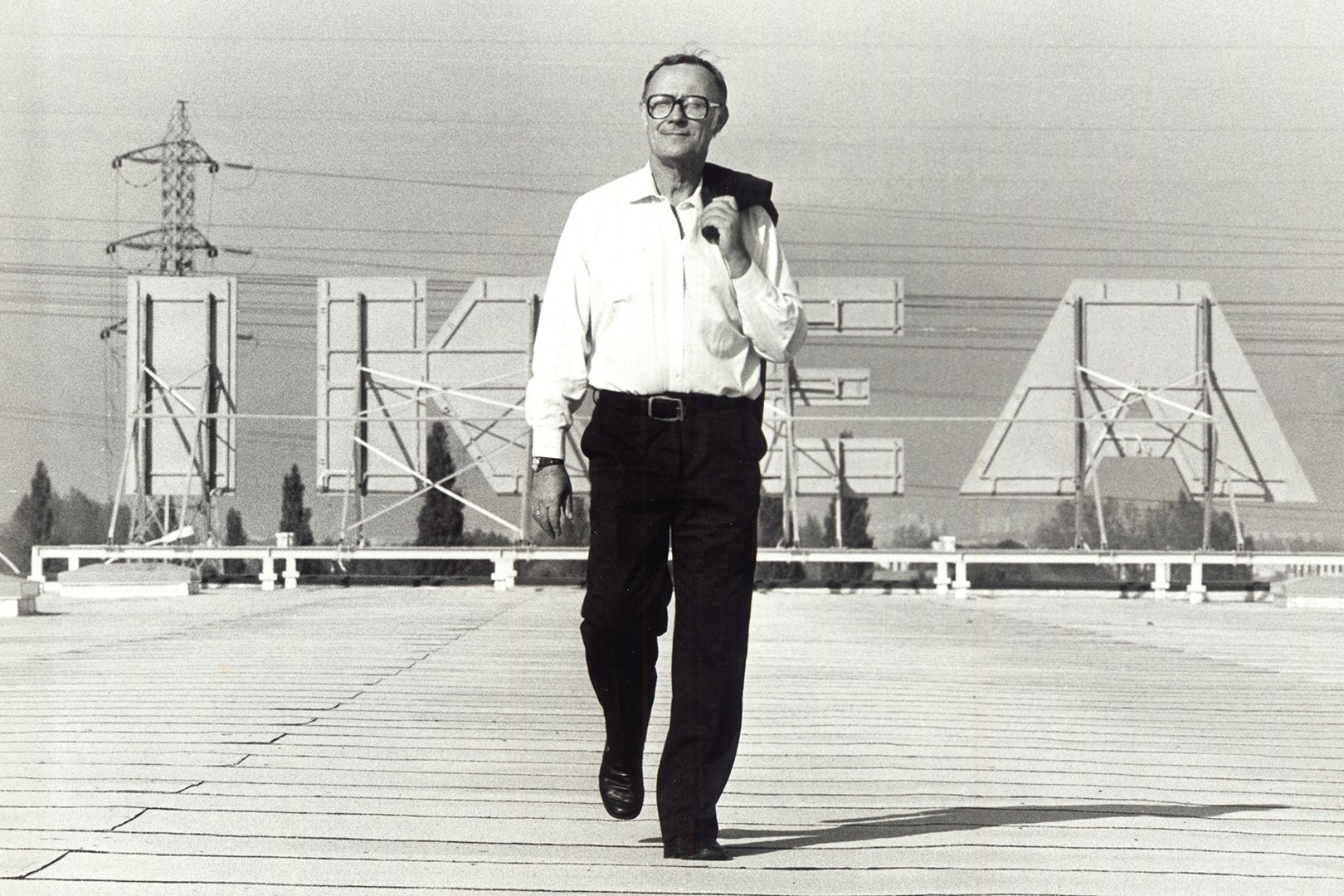
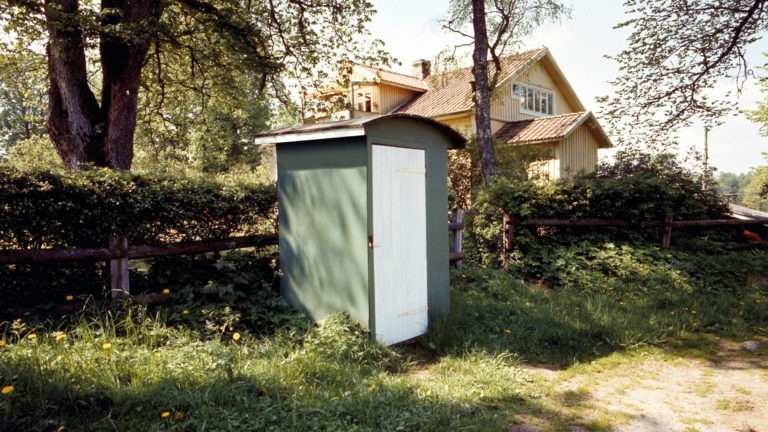
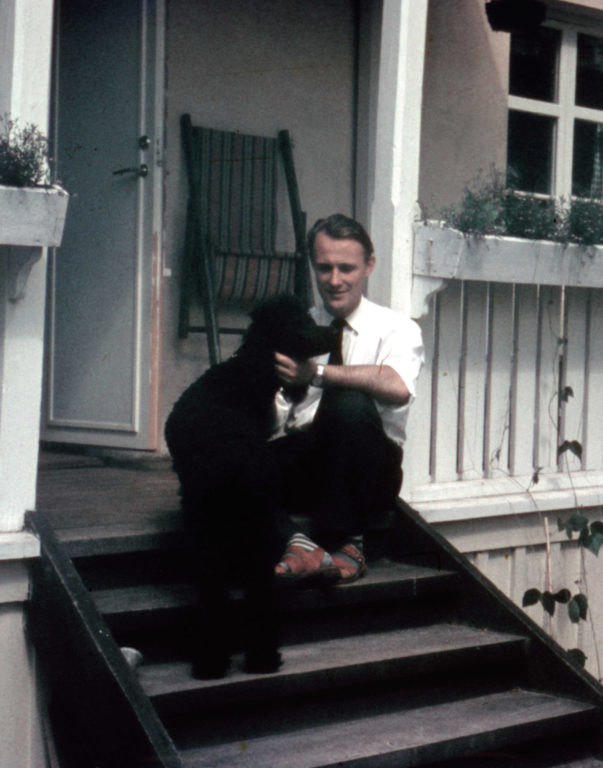
Ingvar himself has said that it was his loving childhood that gave him the courage to think freely and try out his very first business ideas. This upbringing laid the foundations for the playfulness and ingenuity that would characterise his entire career as an entrepreneur. These qualities would prove crucial to the way he approached problem-solving his whole life.
Always together
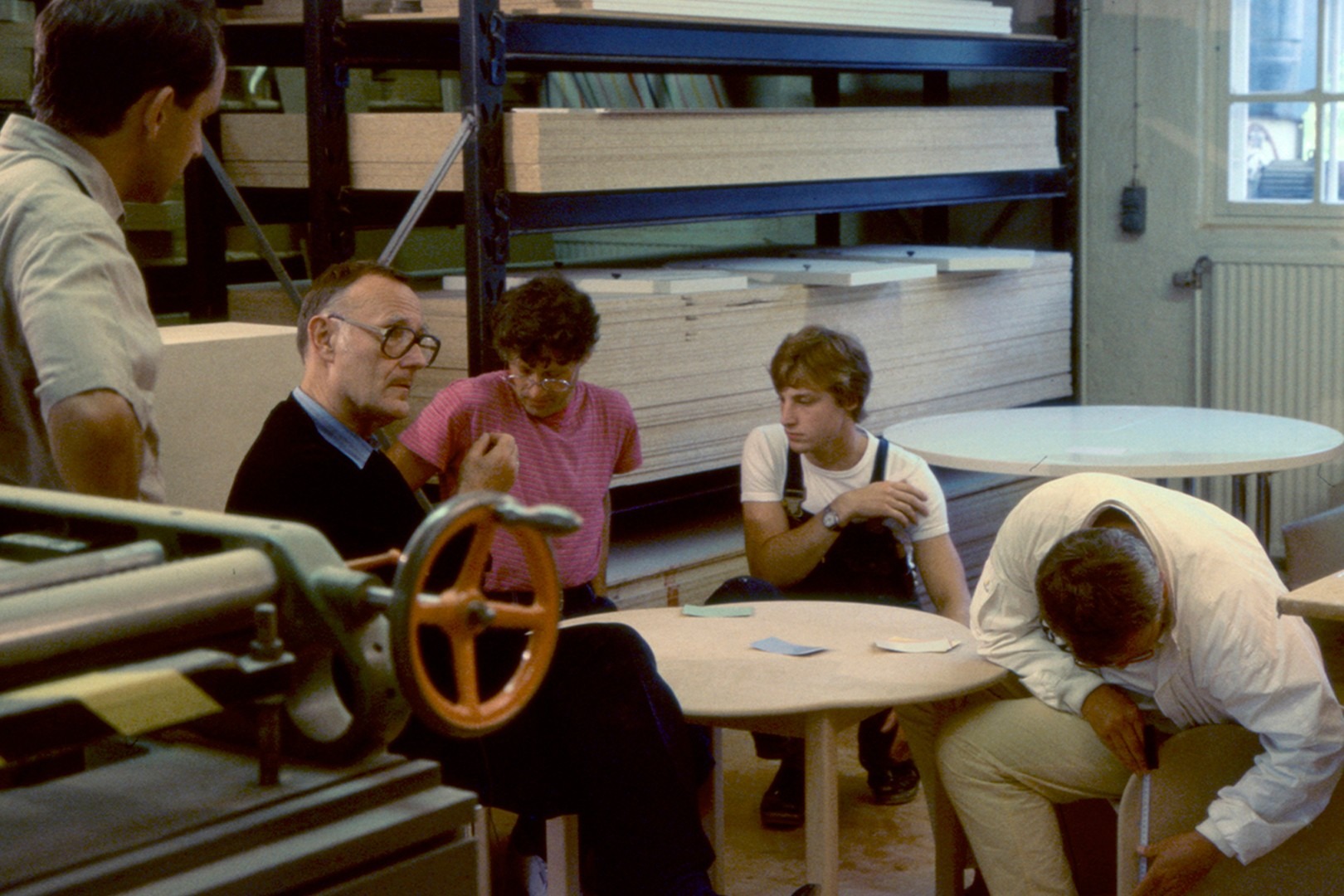
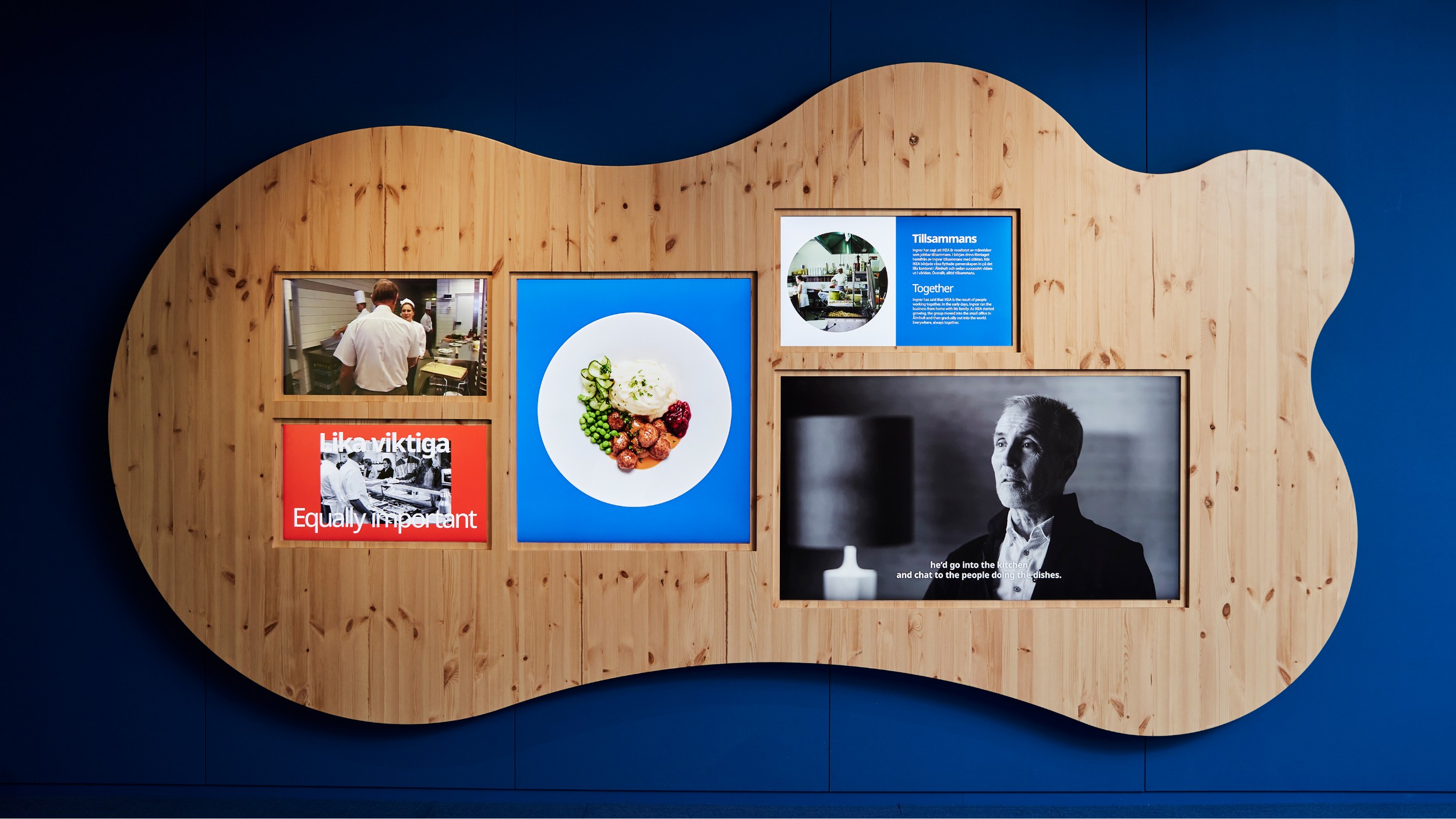
Ingvar often described IKEA as the result of people working together. Even back in 1943, when IKEA was first registered as a trading company, the business was run from the kitchen table by Ingvar together with his family. Everyone pitched in. And later, as IKEA started to grow, the gang moved into the little office in Älmhult and then gradually out into the world. The idea of being better when you work together was what Ingvar was all about. It was a modern, sympathetic idea that put people in focus.
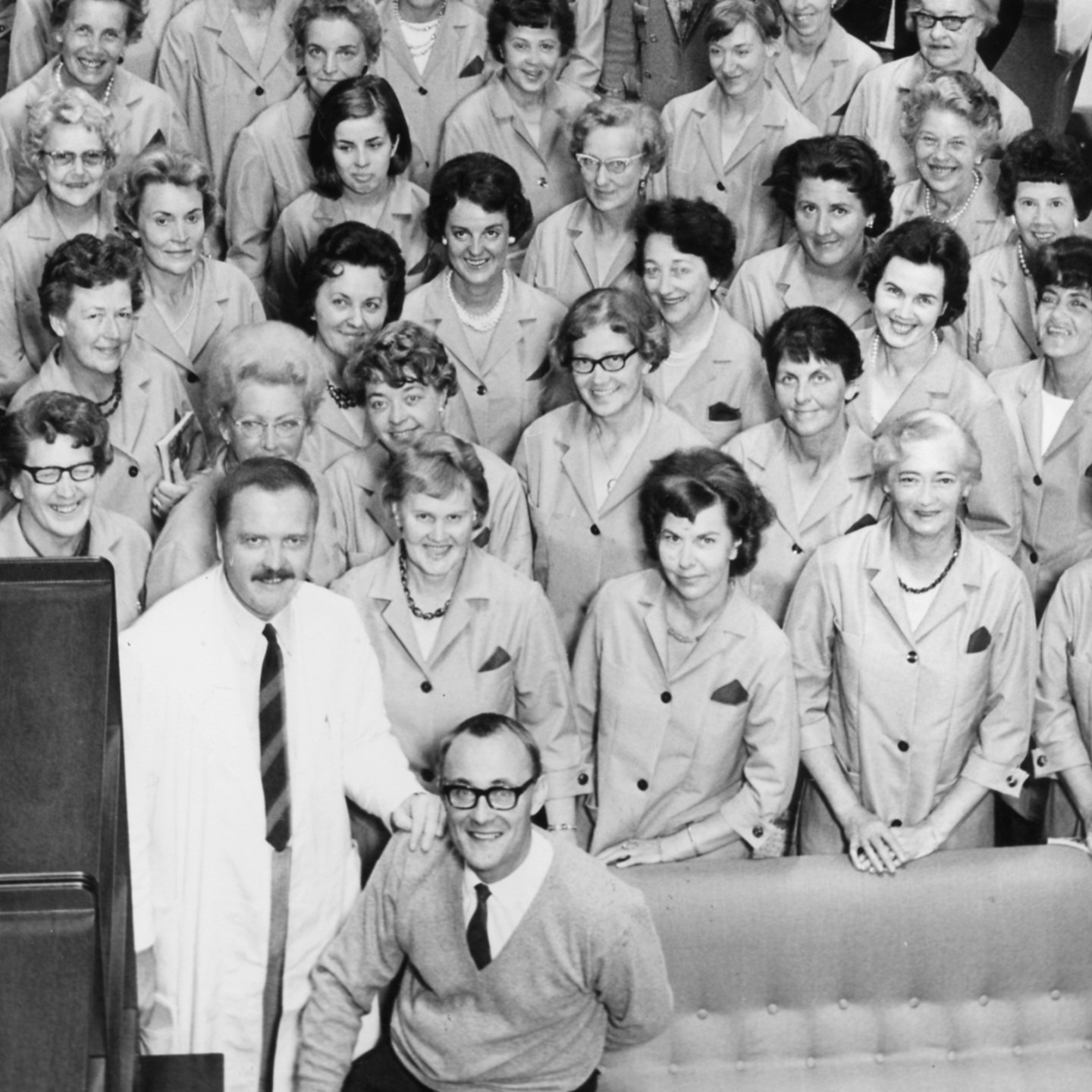
Simplicity and trust were key for Ingvar. He cultivated an environment where everyone was seen and everyone was equally important. Where everyone felt they were part of something bigger. The power of working together became a brand culture.
”He was like one of us.”
Creativity
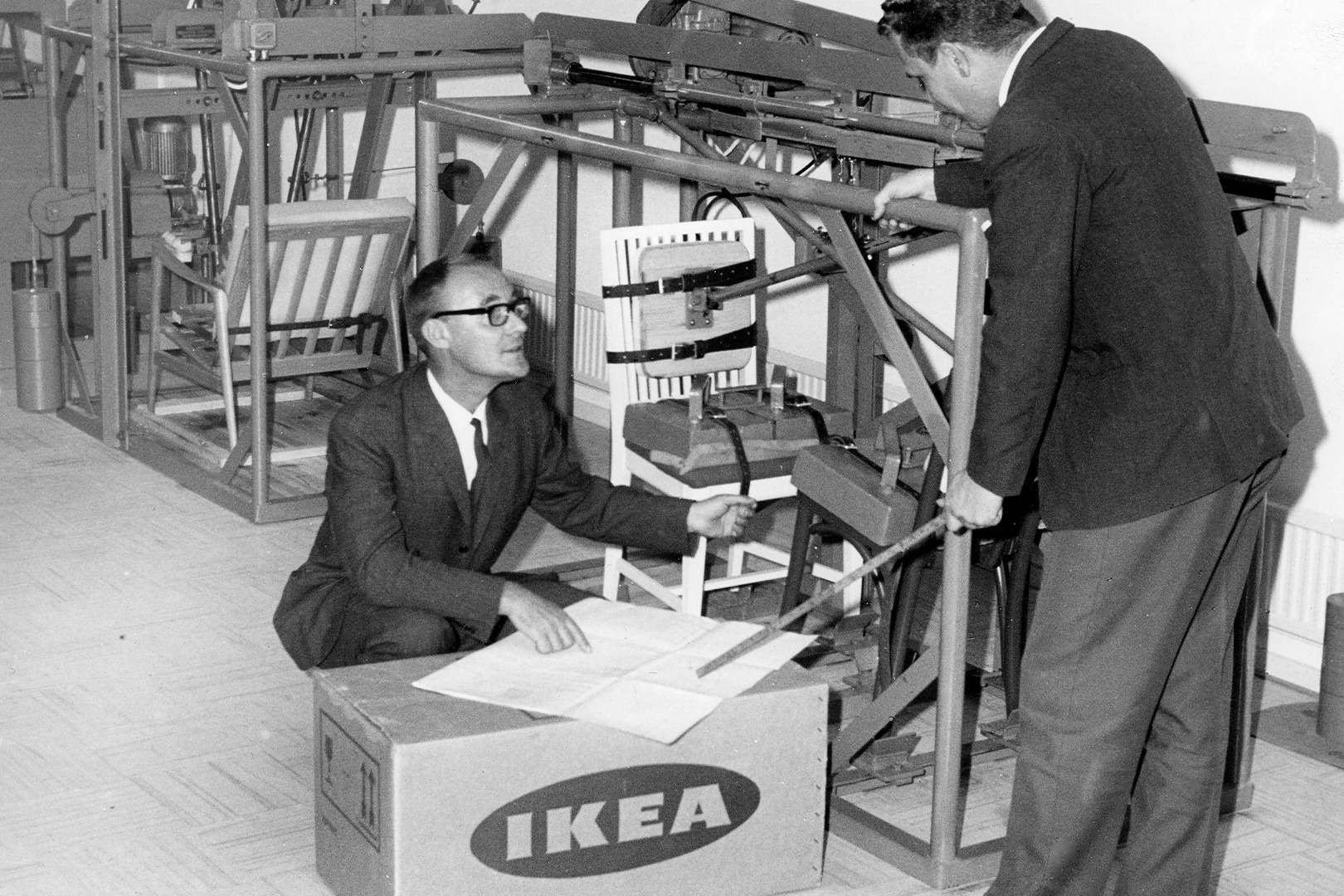
The early years of the brand laid the foundations for some aspects of the IKEA philosophy: to see every problem as an opportunity. Ingvar and his co-workers had to think freely and differently to implement their ideas when the industry turned against him. But the boycott opened up new opportunities. Since IKEA was unable to buy the same furniture as everyone else, they had to design their own furniture. And to secure a supply chain, IKEA had to look beyond Sweden and find reliable suppliers in Eastern Europe. Adversity never kept Ingvar down – if anything, it made him even more resourceful.
So, creativity is a central aspect of IKEA. This is particularly evident when people who have travelled, developed products and brainstormed ideas together with Ingvar have their say. His energy and curiosity were infectious, and problems genuinely did become opportunities.
Low prices with meaning
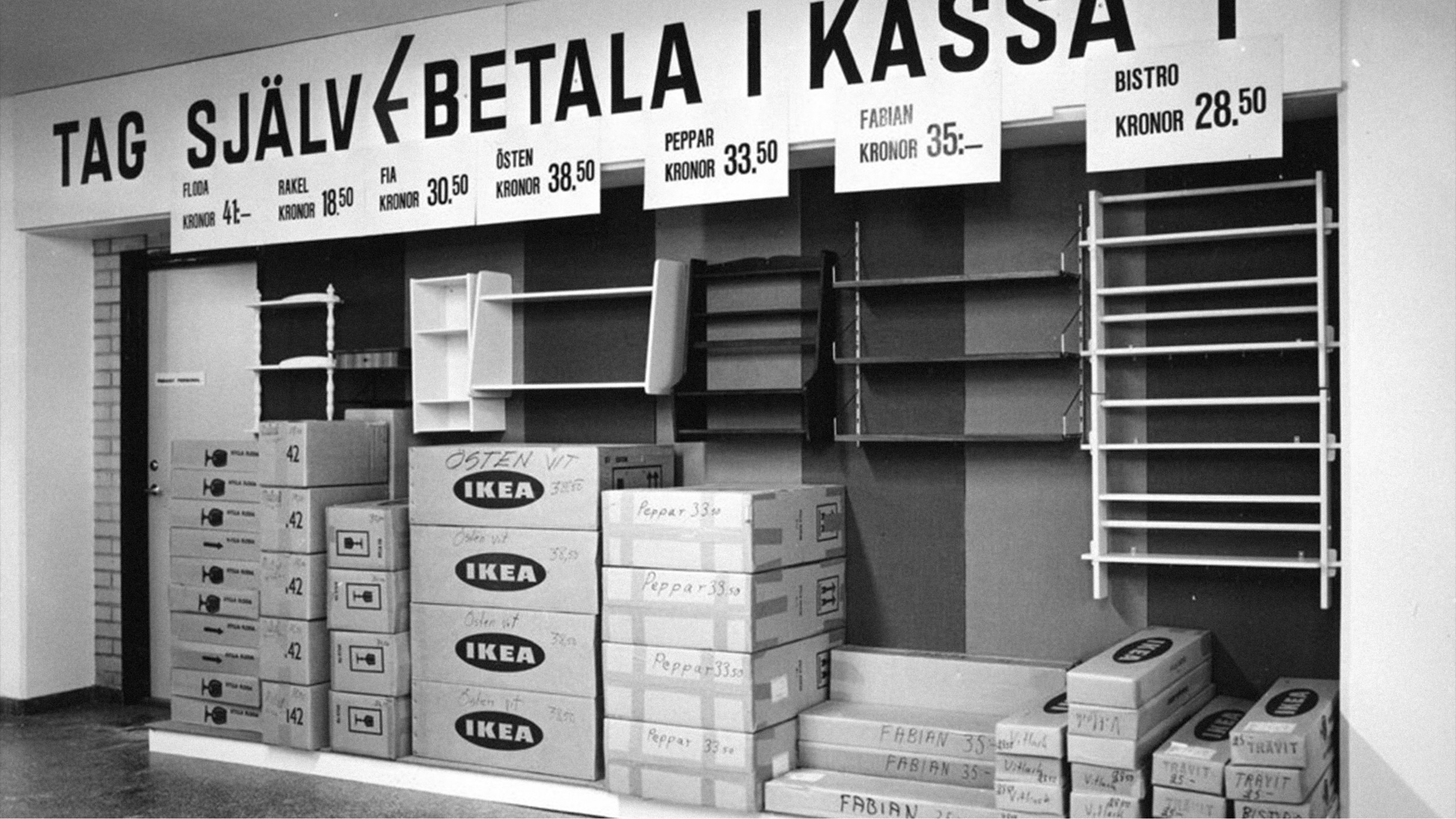
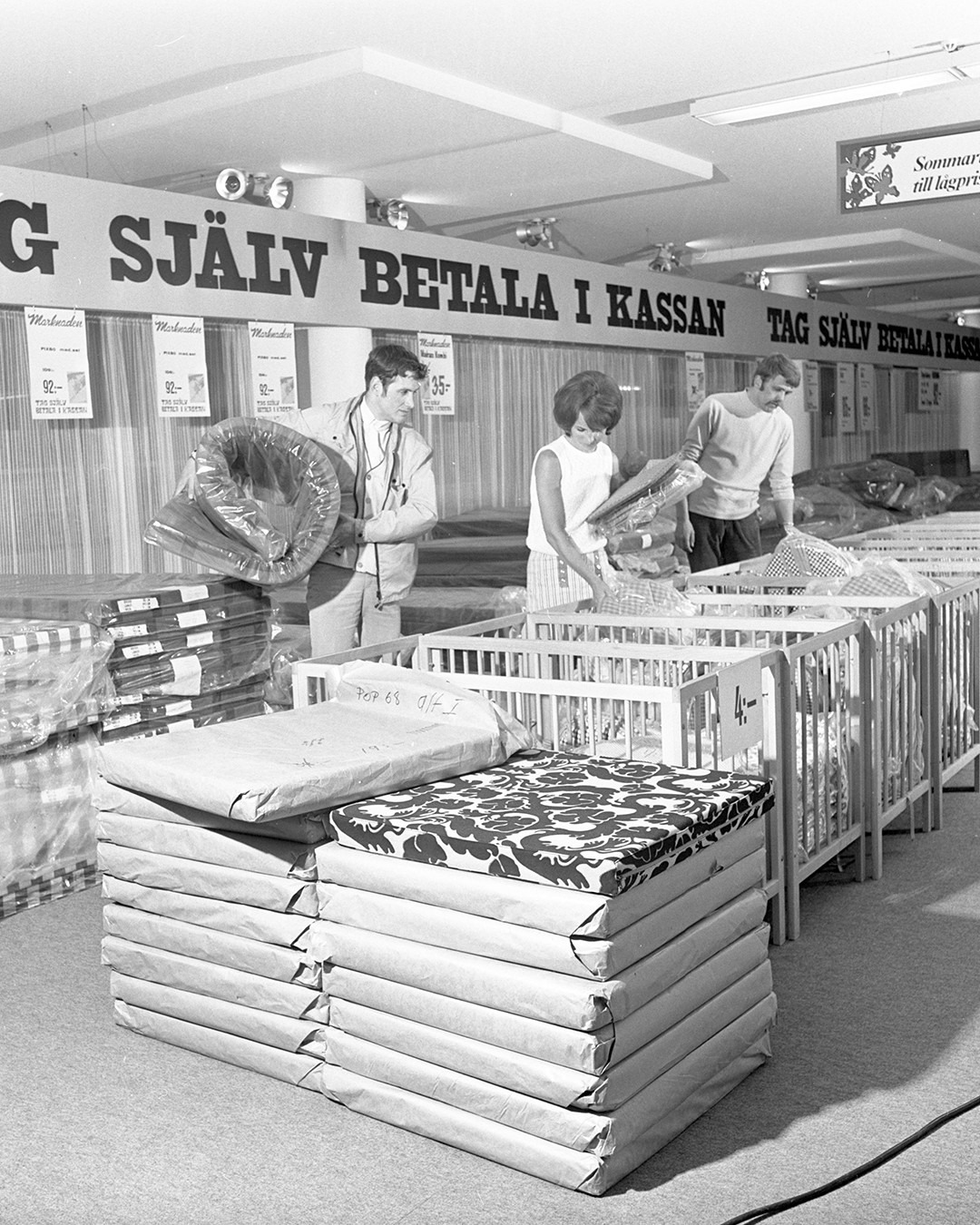
Making expensive things doesn’t require that much creativity. But creating well-designed, functional products for as low a price as possible – now that’s something else. This was what drove Ingvar. To fill the low price with meaning and joy. To be on the side of the many people. A product without a price is always wrong, while a low price without form, function, sustainability or quality is meaningless. Being cost-conscious is in the DNA of both IKEA and Ingvar.
Product development and flatpacks
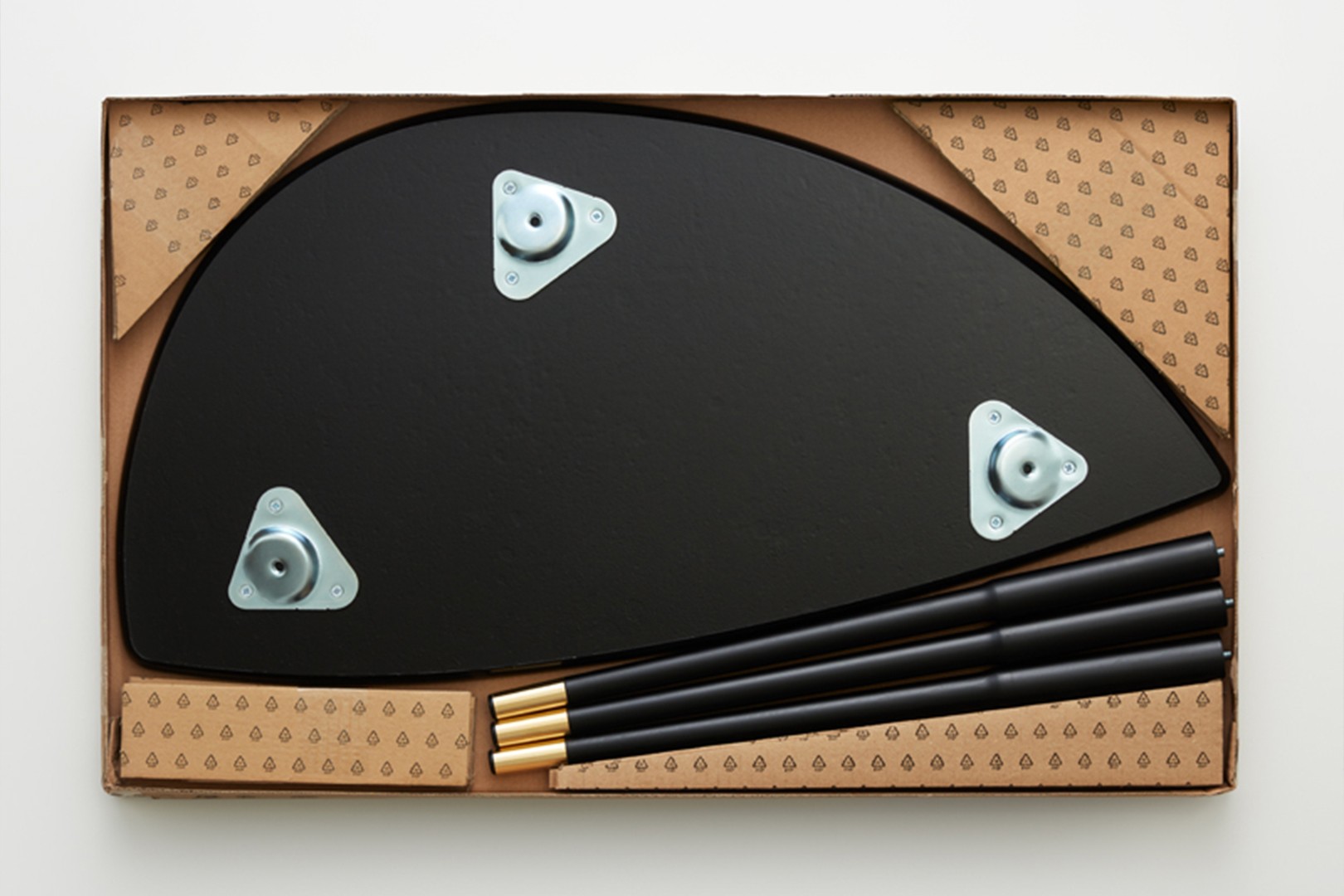
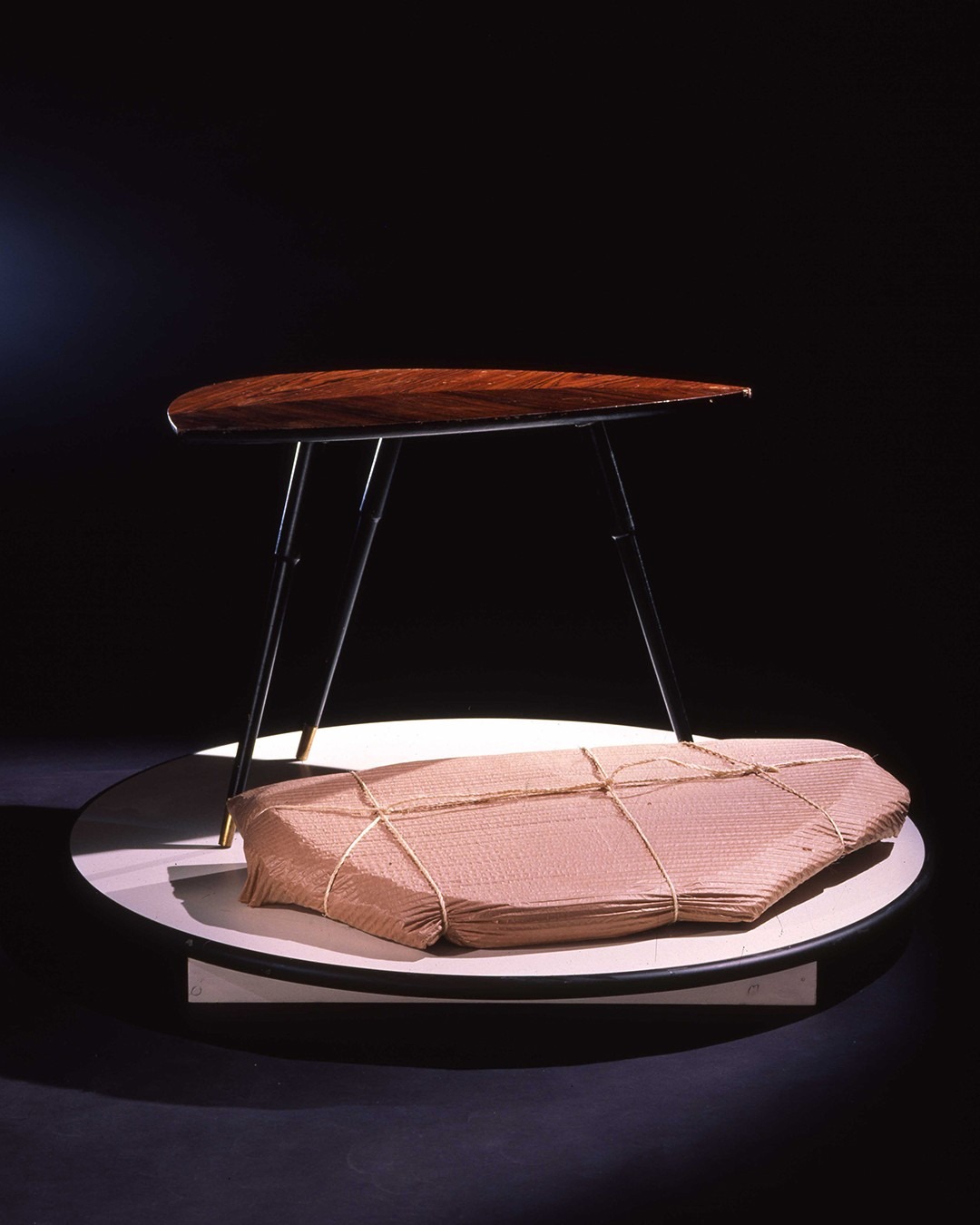
Neither Ingvar nor IKEA invented the flatpack, but it was Ingvar who saw the potential in it. Just as he saw the magic in developing products on the factory floor, rather than at an office drawing board. It was by working closely together with suppliers in the production process that new ideas could be developed and tested, that solutions could be found which made it easier to ship, sell and assemble the products. Nothing was static. Anything could be improved by thinking differently, and there has been a lot of experimentation throughout the history of IKEA. Not everything was a success, but it paved the way for other, slightly better ideas. Failure was never a drama – as long as you didn’t make the same mistake twice.
Ingvar always took the time to chat to designers and product developers, about everything from the look of the packaging to the choice of materials. He often had an opinion and was always curious. No detail was too insignificant for his practical creativity. And if he didn’t like what he saw, his comments could be quite cutting.
Expansion
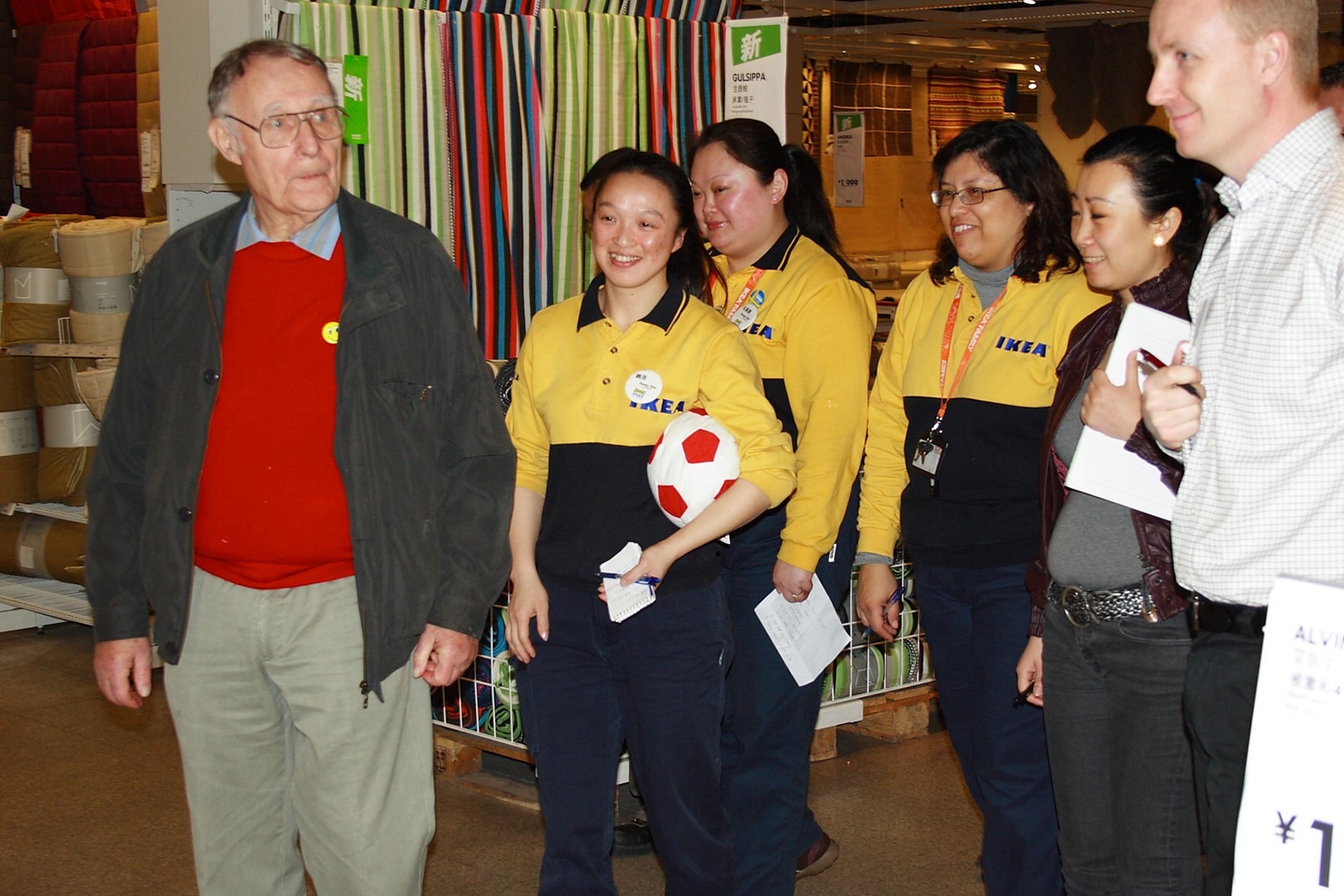
Ingvar’s belief that nothing is impossible created an environment for expansion. The first store abroad was opened back in 1963. While it was only in Norway, Sweden’s next-door neighbour, the move set a course and created a sense that anything is possible. And in the 1970s the brand’s expansion really took off, with establishment in Europe, Asia, Australia and North America. The success bred confidence, and IKEA expanded geographically with stores and purchasing offices around the world.
But it was also an expansion of the idea. Ingvar encouraged free, even wild, thinking, where virtually anything was worth testing and mistakes were a sign of enthusiasm. But boasting about IKEA being the biggest in the world? That was something Ingvar Kamprad himself truly disliked: “It’s completely irrelevant!” What he was interested in was the future. All the things that remained to be done.
Reflection and fax communication
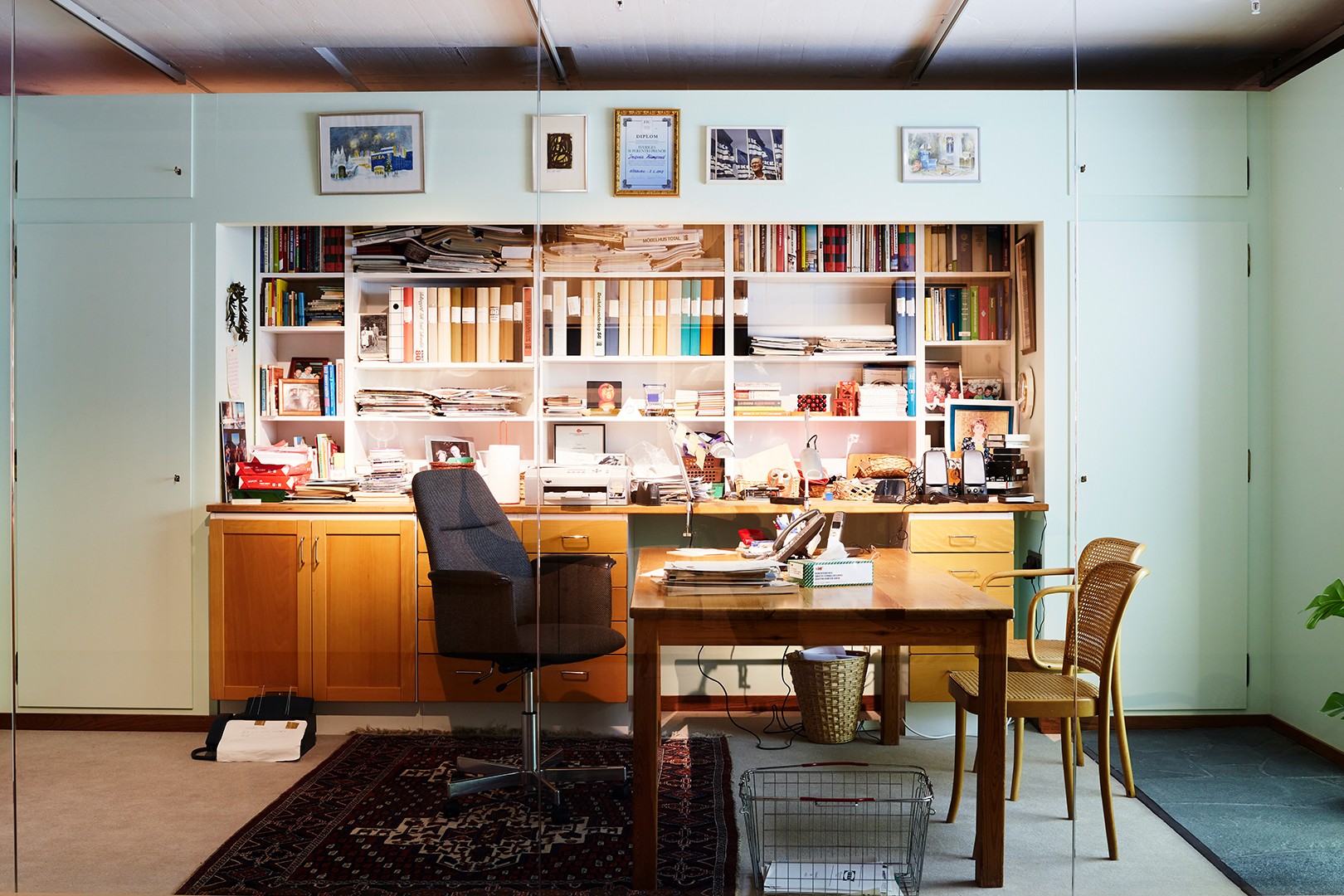
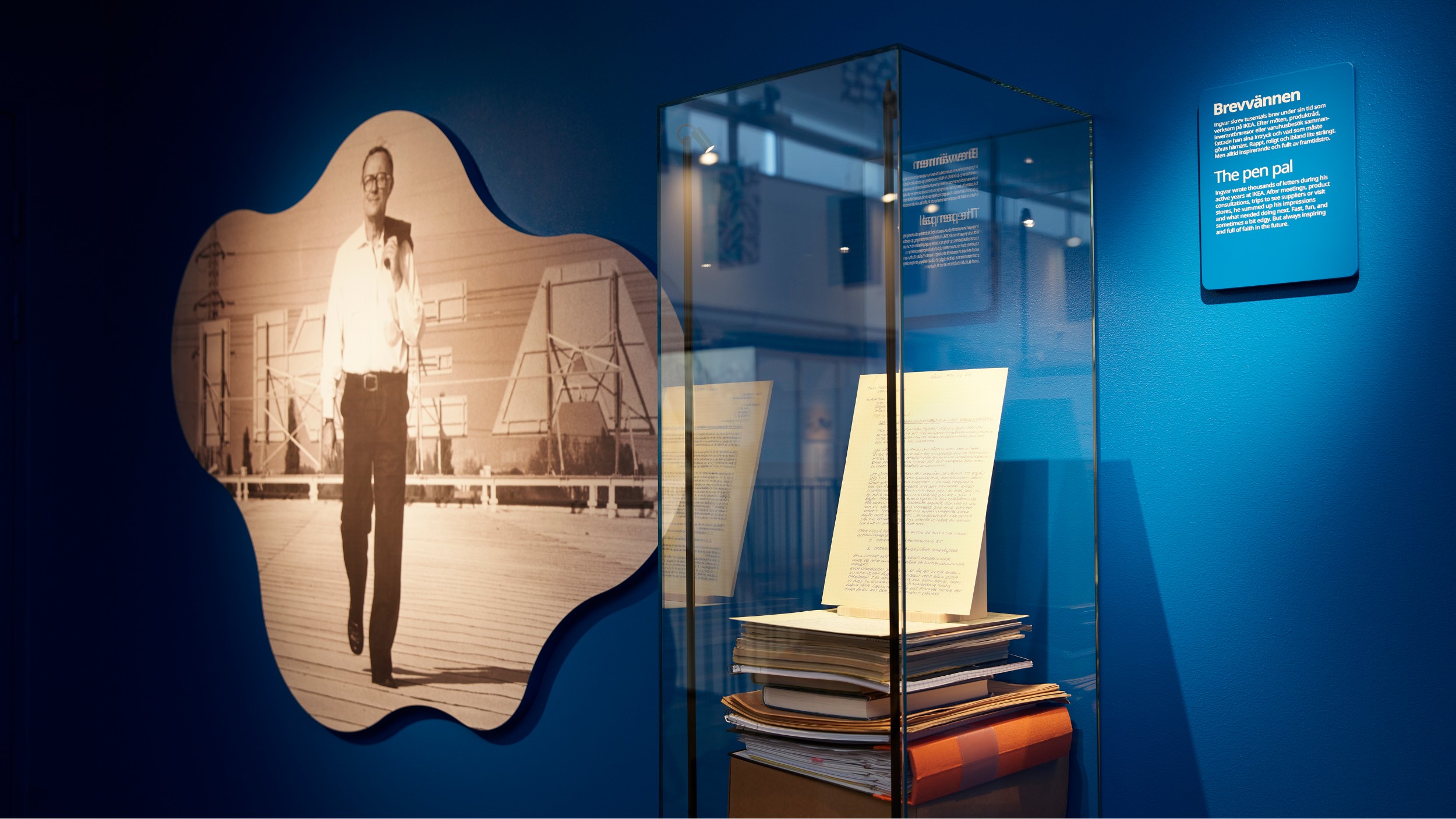
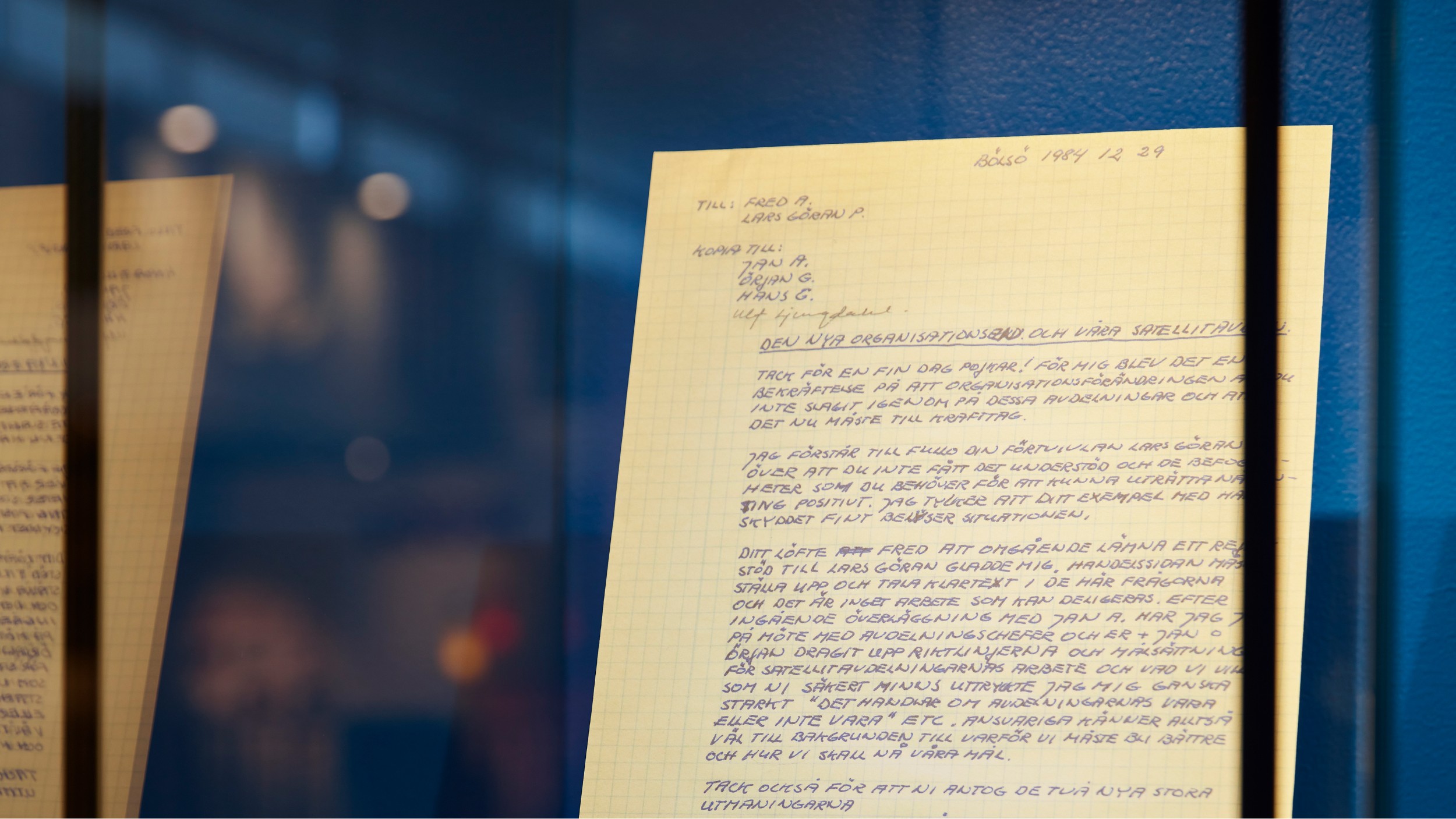
This is a careful recreation of Ingvar’s home office in Switzerland. The family moved to Denmark in 1973, and five years later they settled outside Lausanne in Switzerland. Home was of course an important base, but out on the factory floor meeting suppliers was where Ingvar felt most comfortable. His office was where he processed his thoughts, reflected on new possibilities and wrote long letters by hand, bursting with product ideas, production opportunities, thoughts on expansion and innovative materials – which he would then promptly fax to his colleagues.